I. Introduction
(A) Terrariums: A Miniature Ecosystem in Your Home
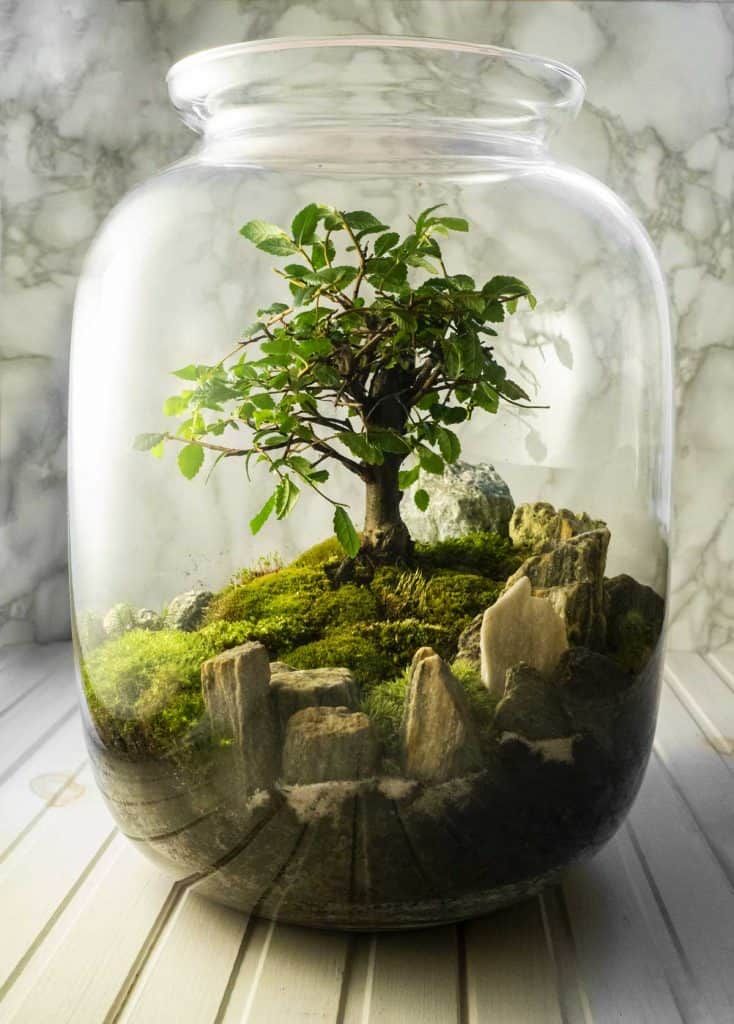
Terrariums are captivating miniature gardens enclosed within glass containers. They offer a glimpse of nature’s beauty indoors, creating self-contained ecosystems that thrive with minimal care. These enchanting displays are a perfect way to bring a touch of greenery and tranquility into your living space.
(B) Unveiling the Allure of Terrariums: A World of Beauty and Simplicity
The appeal of terrariums lies in their versatility and ease of care. Unlike traditional houseplants, terrariums require minimal maintenance and create a stable environment for a variety of plants to flourish. They come in various sizes and styles, allowing you to customize them to your taste and available space. Whether you prefer a lush tropical jungle or a serene desert landscape, terrariums offer endless creative possibilities.
II. Embarking on Your Terrarium Journey: Essential Supplies
(A) Container Selection: Choosing the Perfect Home for Your Terrarium
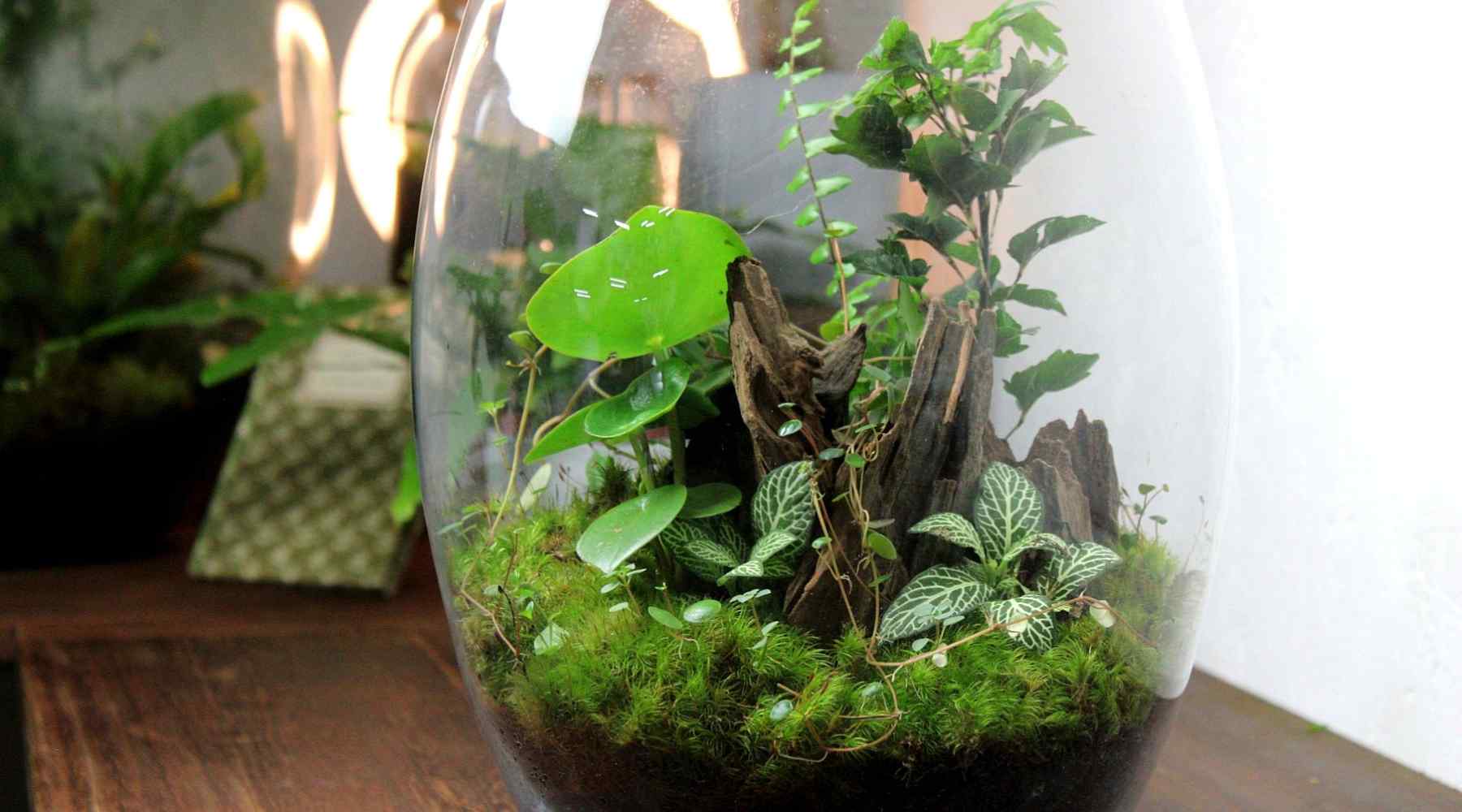
The foundation of your terrarium is the container. Glass containers are most popular, offering a clear view of your miniature world. Glass terrariums come in various shapes and sizes, from small globes to large terrariums suitable for tabletop displays. Consider the type of terrarium you want to create and the space available when choosing your container. Opt for containers with openings for ventilation, especially for open terrariums.
(B) Substrate Matters: Laying the Foundation for Your Terrarium Plants
The substrate is the base layer in your terrarium, providing drainage, support, and nutrients for your plants. A good terrarium substrate should be well-draining, lightweight, and sterile to prevent mold growth. Popular terrarium substrate options include a combination of activated charcoal, sphagnum moss, and orchid bark. The specific mix you choose may vary depending on the type of plants you plan to include in your terrarium.
(C) Plants and Moss: Selecting the Inhabitants of Your Terrarium
Choosing the right plants is crucial for the success of your terrarium. Ideal terrarium plants thrive in high humidity and require minimal light. Popular terrarium plant choices include ferns, mosses, bromeliads, peperomias, and fittonias. Select plants that complement each other in terms of size, color, and texture. Mosses add a touch of greenery and help maintain humidity levels in your terrarium. Consider using various moss species to create a diverse and visually appealing landscape.
(D) Decorative Elements: Adding Personality and Visual Appeal
Decorative elements personalize your terrarium and enhance its visual appeal. Rocks, pebbles, and driftwood can add structure and a natural feel. Colorful gravel can create pathways or highlight specific areas. Tiny figurines or miniature houses can add a whimsical touch, while providing hiding spots for terrarium inhabitants (if you choose to include them).
(E) Tools and Accessories: The Essentials for Terrarium Creation
Gather the necessary tools before you begin assembling your terrarium. Long tweezers will help you place plants and decorative elements in your container. Spray bottles help with misting your terrarium, while small spoons or scoops are useful for adding substrate layers. Consider using gloves to protect your hands while handling terrarium materials.
III. Crafting Your Terrarium: A Step-by-Step Guide
(A) Preparing the Container: Creating a Clean and Stable Base
Wash your terrarium container thoroughly with warm soapy water and dry it completely. Residual dirt or soap scum can harm your plants. If your container has a drainage hole, cover it with a mesh screen or filter paper to prevent the substrate from draining out while allowing excess water to escape.
(B) Establishing the Drainage Layer: Ensuring Proper Water Drainage
Terrarium plants are susceptible to root rot if they sit in waterlogged soil. To prevent this, create a drainage layer at the bottom of your container. The size of the drainage layer will depend on the size of your terrarium. For a typical terrarium, a one-inch layer of rinsed gravel or broken clay shards is sufficient.
(C) Adding the Substrate: Layering the Foundation of Your Terrarium
On top of the drainage layer, add a layer of activated charcoal. Activated charcoal absorbs impurities and helps prevent mold growth. The layer of activated charcoal should be about half an inch thick. Next, add the terrarium substrate, filling the container up to about two-thirds of its height. Tamp down the substrate gently to create a stable base for your plants.
(D) Introducing the Plants: Placing Your Terrarium’s Inhabitants
Carefully remove your terrarium plants from their pots. Gently loosen the roots and rinse away any excess soil. Arrange the plants in your terrarium, starting with the larger plants in the back and working your way forward with smaller plants. Use tweezers to position the plants carefully, leaving enough space for them to grow.
(E) Adding Decorative Touches: Personalizing Your Terrarium Creation
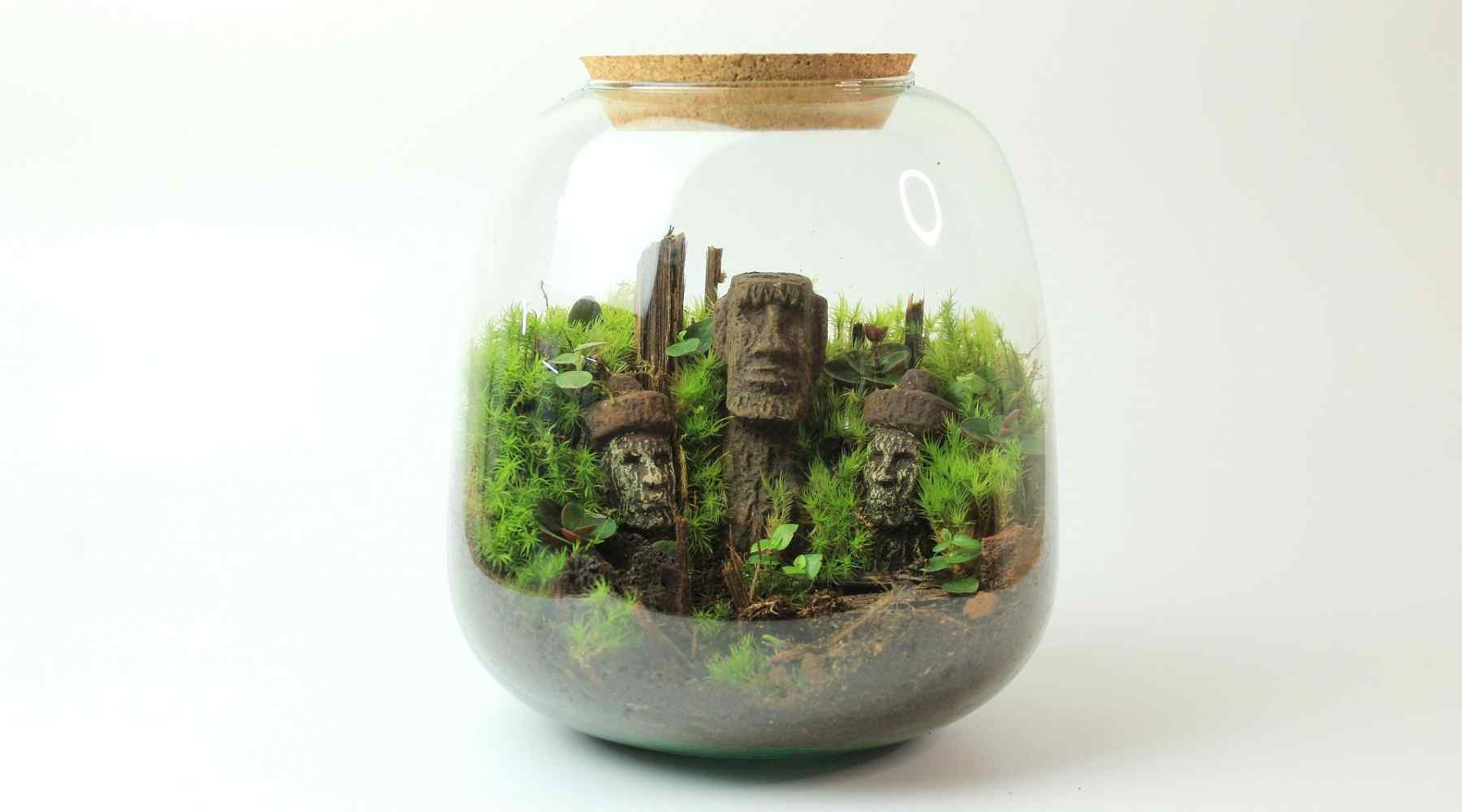
Once your plants are positioned, add decorative elements like rocks, pebbles, or driftwood to create a natural landscape. Use tweezers or your fingers to carefully place them within the terrarium. Arrange them to create visual interest and provide hiding spots for any terrarium inhabitants you might introduce later. Scatter colorful gravel or polished gemstones along pathways or use them to highlight specific areas within your miniature world.
(F) Finishing Touches: Introducing Moss and Accessories
Fill any gaps between plants with moss. Sheet moss is a popular choice, but various moss species can add texture and visual appeal. Gently press the moss onto the substrate, ensuring good contact with the soil. If using miniature figurines or houses, carefully place them within the terrarium after adding the moss. These elements should complement the overall design and scale of your terrarium.
IV. Nurturing Your Terrarium: Care and Maintenance
(A) Watering Your Terrarium: Maintaining the Right Moisture Balance
Terrariums are self-sustaining ecosystems that require minimal watering. The key is to establish a healthy moisture balance and avoid overwatering. Mist the inside of the terrarium with a spray bottle every one to two weeks, depending on the climate and the type of plants you have. Observe the condensation on the terrarium walls. If it becomes excessive, reduce misting frequency. Conversely, if the walls are consistently dry, mist more frequently.
(B) Providing Light: Ensuring Adequate Illumination for Your Plants
Most terrarium plants thrive in indirect sunlight. Avoid placing your terrarium in direct sunlight, as this can overheat the terrarium and damage the plants. A location near a north-facing window or a room with diffused light is ideal. If your terrarium doesn’t receive enough natural light, consider supplementing with LED grow lights specifically designed for terrariums.
(C) Monitoring Humidity: Keeping Your Terrarium’s Atmosphere Ideal
Terrarium plants prefer a humid environment. The enclosed nature of the terrarium helps maintain humidity levels. However, if the air becomes too dry, misting more frequently or placing a pebble tray filled with water at the bottom of the terrarium can help increase humidity.
(D) Trimming and Pruning: Maintaining a Healthy and Appealing Terrarium
As your terrarium plants grow, regular trimming and pruning may be necessary. Use sharp, sterilized scissors or pruning shears to remove dead leaves, overgrown stems, or any unwanted growth. Trimming promotes healthy plant growth and helps maintain the overall shape and aesthetics of your terrarium.
(E) Pest and Disease Control: Protecting Your Terrarium from Unwanted Guests
Terrariums are generally less susceptible to pests and diseases compared to traditional houseplants. However, occasional problems can arise. Isolate your terrarium if you notice any signs of infestation or disease. For minor pest issues, insecticidal soap or neem oil solutions can be effective. For severe infestations or diseases, consult a gardening professional for recommendations.

V. Terrarium Varieties: Exploring Different Styles
(A) Closed Terrariums: Self-Sustaining Ecosystems
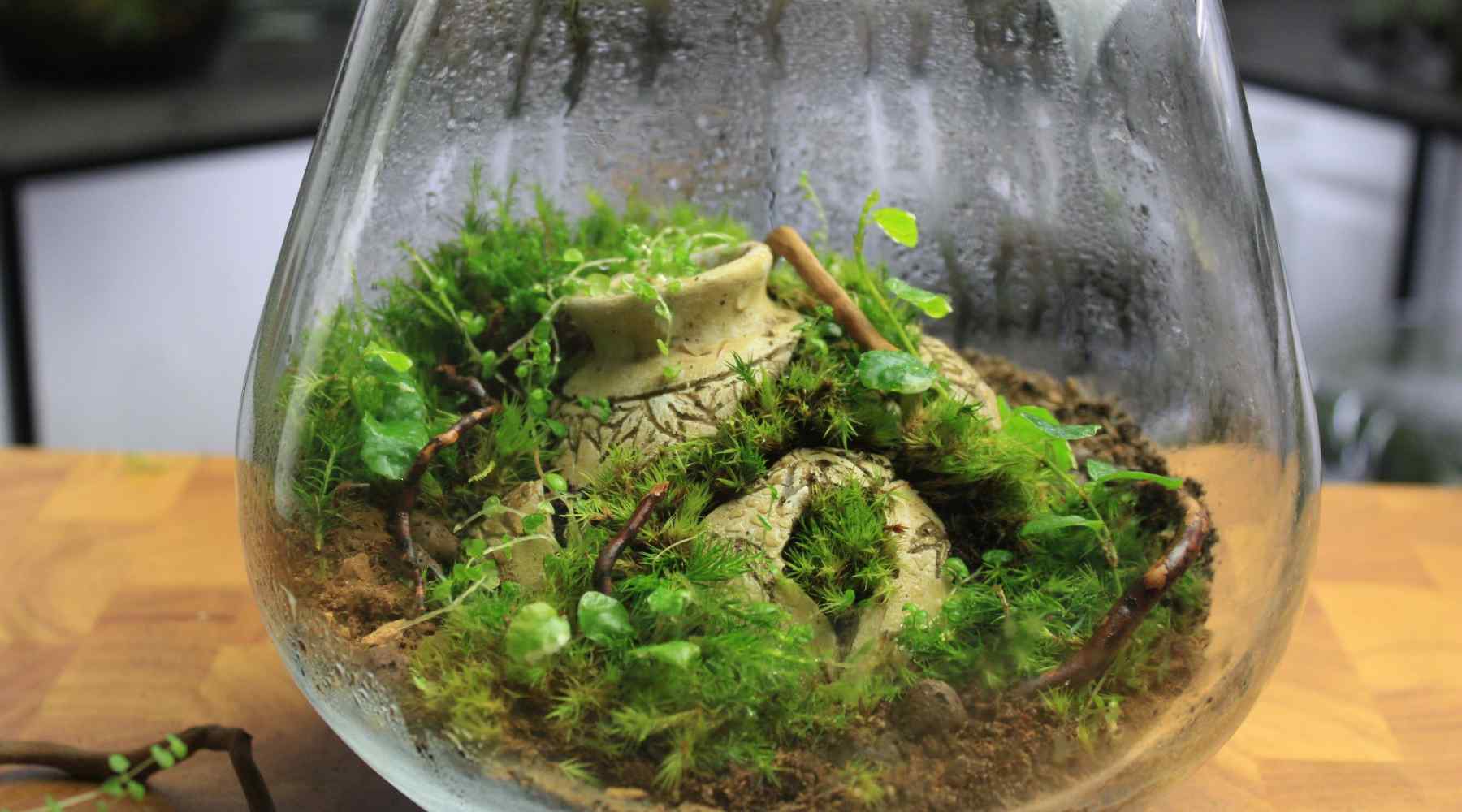
Closed terrariums are entirely enclosed containers with minimal ventilation. The water cycle within a closed terrarium is self-contained, with moisture evaporating from the plants and soil, condensing on the walls, and dripping back down to nourish the plants. Closed terrariums are ideal for plants that thrive in high humidity, such as ferns, mosses, and certain bromeliads.
(B) Open Terrariums: Low-Maintenance and Easy-to-Care-For
Open terrariums have an opening in the container, allowing for greater air circulation and lower humidity levels compared to closed terrariums. Open terrariums are easier to maintain as they require less frequent misting. They are a good choice for plants that prefer moderate humidity, such as air plants, succulents, and some peperomia varieties.
(C) Tropical Terrariums: Lush and Vibrant Miniature Jungles
Tropical terrariums recreate the lush and humid environment of a rainforest. They typically feature a variety of ferns, mosses, bromeliads, and other plants that thrive in high humidity. Tropical terrariums often include decorative elements like driftwood, colorful gravel, and miniature figurines to create a jungle-like atmosphere.
(D) Desert Terrariums: Arid and Low-Maintenance Landscapes
Desert terrariums showcase the beauty of arid environments. They feature drought-tolerant plants such as succulents, cacti, and air plants. Sand, gravel, and rocks are commonly used as substrate and decorative elements to create a desert landscape. Desert terrariums require minimal watering and are a good choice for those who prefer a low-maintenance terrarium option.
原创文章,作者:,如若转载,请注明出处:https://turkey-re.com/20240422/terrariums-a-beginners-guide-to-creating-and-maintaining-your-own-miniature-ecosystem/