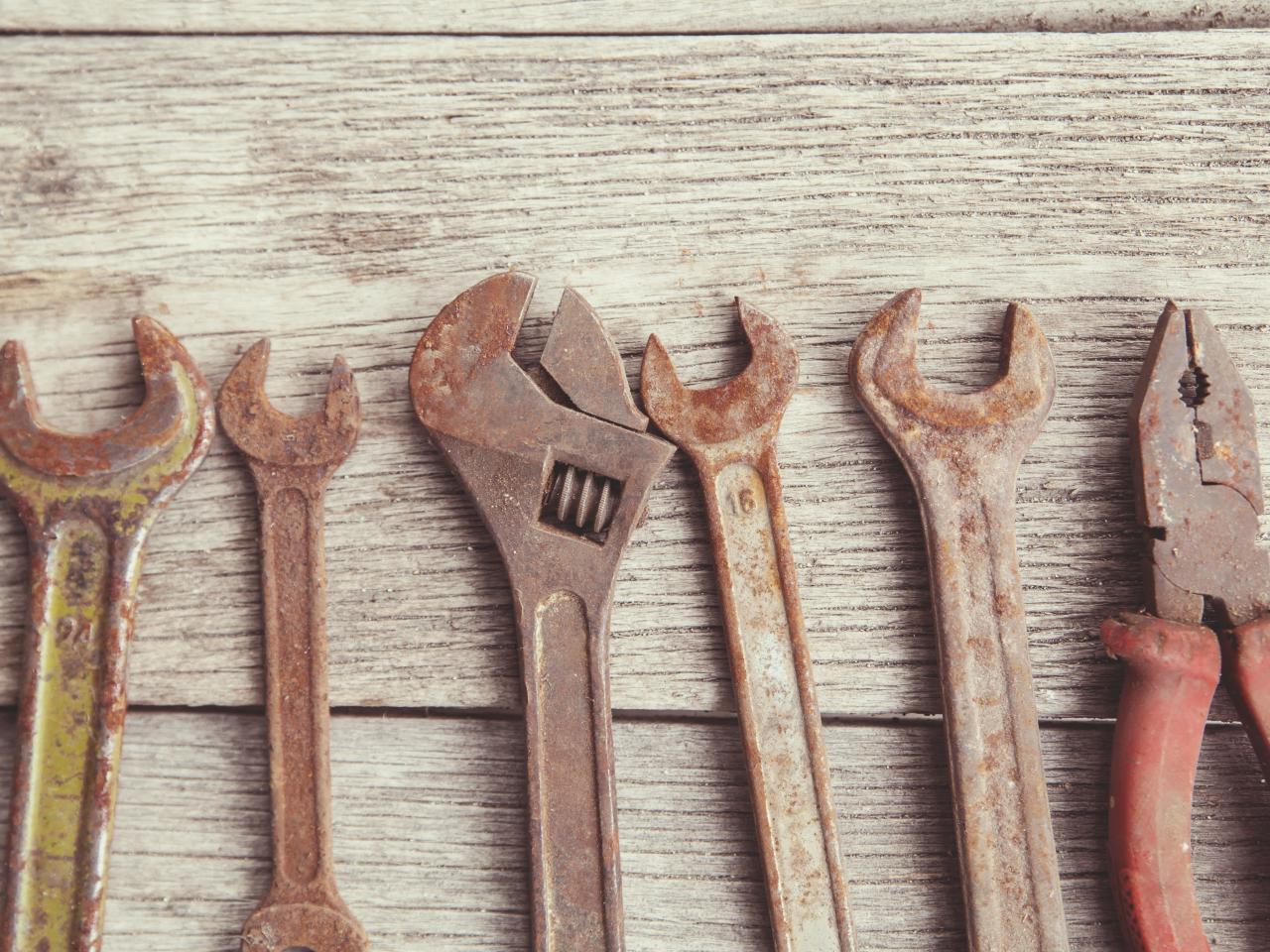
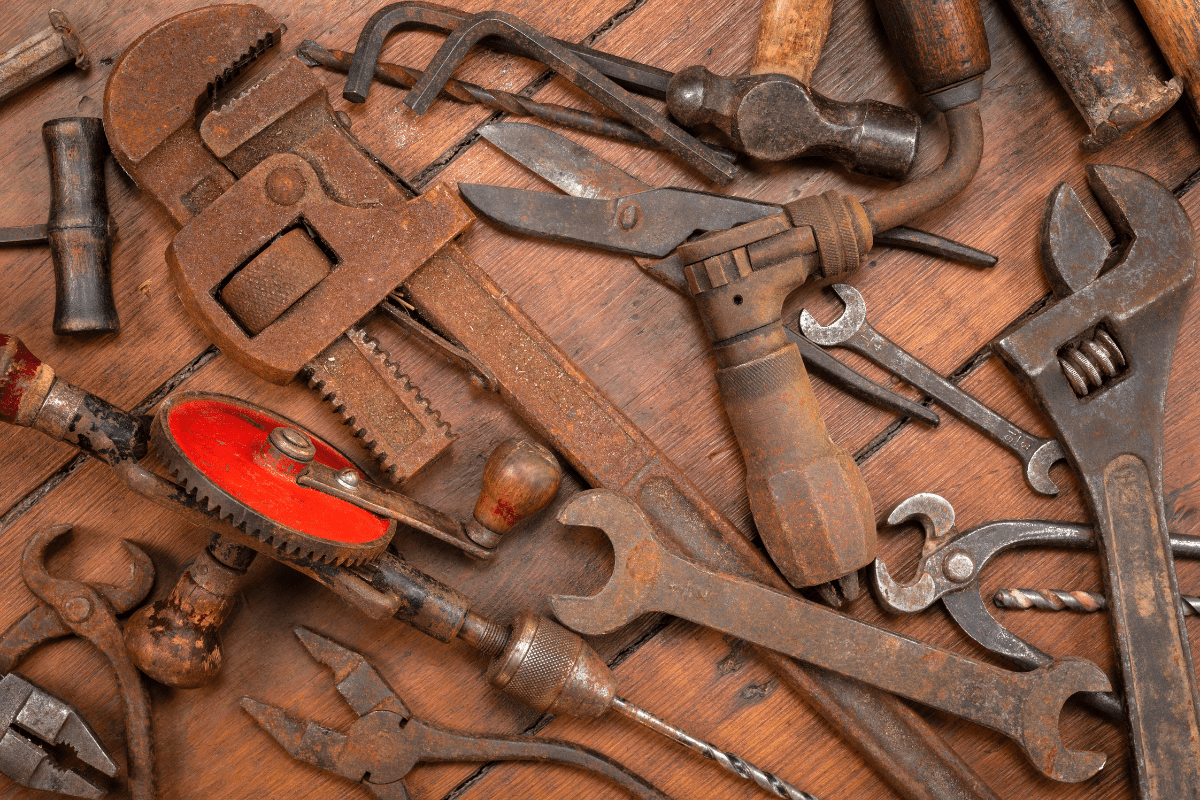
In the realm of DIY projects, home repairs, and outdoor adventures, tools stand as faithful companions, enabling us to tackle tasks with precision and efficiency. However, these trusty implements are not immune to the passage of time and the relentless grip of corrosion. Rust, the bane of metalwork, can gradually transform once-gleaming tools into dull, unsightly objects, hindering their performance and reducing their lifespan.
Fear not, fellow tool enthusiasts, for there exists an arsenal of effective methods to combat rust and restore your tools to their former glory. This comprehensive guide will delve into the world of rust removal, equipping you with the knowledge and techniques to reclaim your tools from corrosion’s clutches.
Understanding Rust: The Enemy at the Gates
Before embarking on the rust removal crusade, it’s crucial to grasp the nature of the adversary we face. Rust, scientifically known as iron oxide, is a reddish-brown compound that forms when iron or steel comes into contact with oxygen and moisture. This electrochemical process, known as oxidation, gradually consumes the metal, leading to its deterioration and loss of structural integrity.
The Rust Removal Arsenal: Mechanical, Chemical, and Electrolytic Methods
To combat rust effectively, we must employ a diverse range of strategies, each tailored to the specific task at hand. Let’s explore the three main categories of rust removal methods:
-
Mechanical Methods: When direct physical action is required, mechanical methods come to the fore. Wire brushes, with their bristly abrasives, excel at removing loose rust and surface corrosion. Sanding, using sandpaper of varying grits, provides a finer approach, smoothing out rough surfaces and removing stubborn rust patches. For heavy-duty rust removal, abrasive blasting techniques, such as sandblasting or bead blasting, employ pressurized streams of abrasive particles to blast away rust and restore the underlying metal.
-
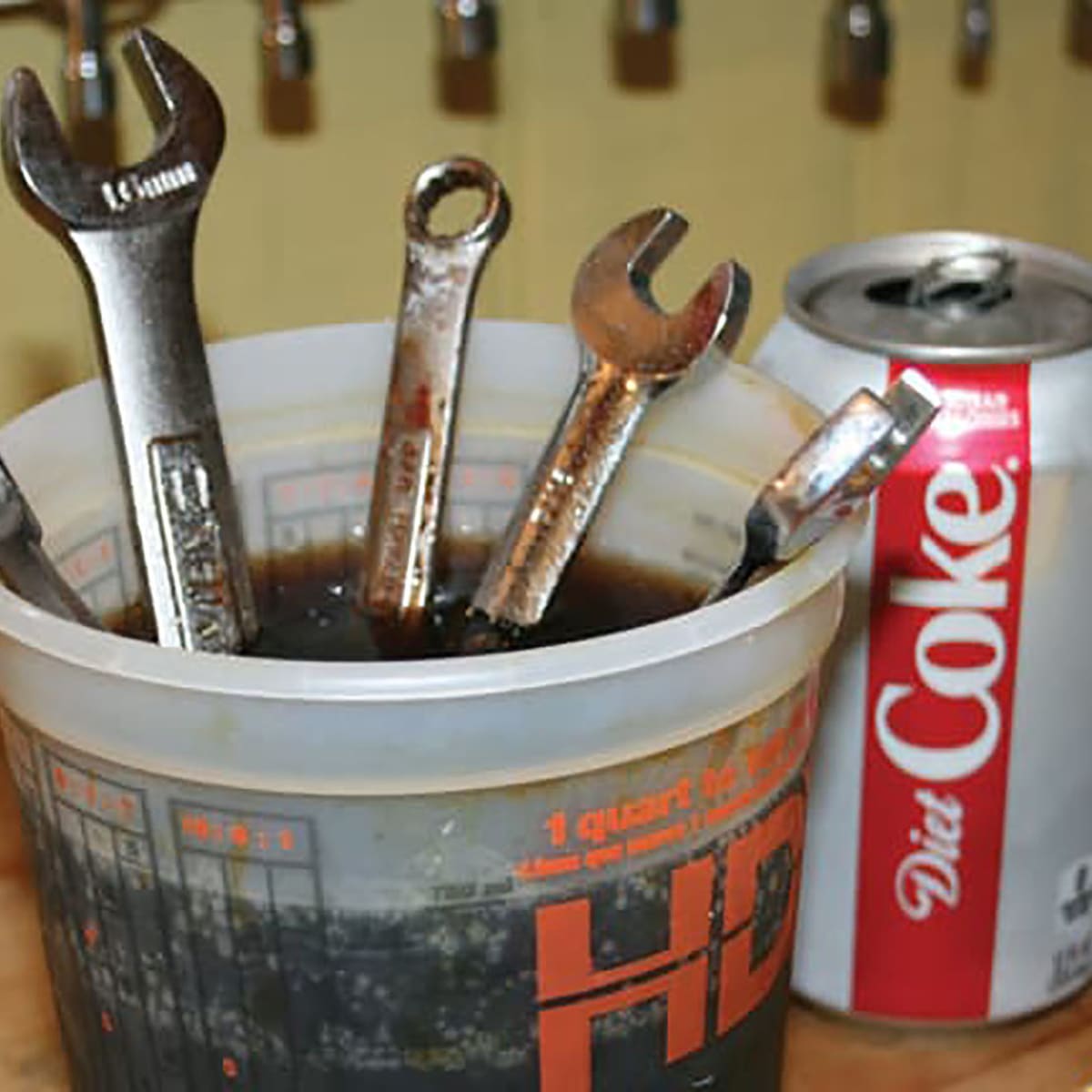
Chemical Methods: For rust that has penetrated deeper into the metal, chemical methods offer a more potent solution. Vinegar, a common household staple, proves surprisingly effective against rust. Simply soak the rusted tool in a vinegar solution for several hours, and the acidic properties of vinegar will dissolve the rust. Baking soda, another versatile kitchen ingredient, can be formed into a paste and applied to the rusted area, neutralizing the rust and facilitating its removal. Commercial rust removers, available in various forms, offer a more concentrated approach, often containing powerful chemicals that break down rust bonds.
-
Electrolytic Methods: When dealing with stubborn rust that resists other methods, electrolytic methods harness the power of electricity to extract rust from the metal. In saltwater electrolysis, the rusted tool is submerged in a saltwater solution and connected to the negative electrode of a battery. The positive electrode is attached to a scrap piece of metal. As electricity flows, the rust ions are attracted to the positive electrode, transferring from the tool to the scrap metal. Baking soda electrolysis follows a similar principle, using a baking soda solution instead of saltwater.
Choosing the Right Weapon for the Rust Battle
The choice of rust removal method depends on several factors:
-
Severity of Rust: For light rust, mechanical methods like wire brushing or sanding may suffice. For heavier rust, chemical or electrolytic methods are often necessary.
-
Tool Type: Delicate tools may require gentler methods like vinegar or baking soda to avoid damage. For sturdier tools, harsher methods like abrasive blasting or commercial rust removers can be employed.
-
Safety Considerations: Always prioritize safety when working with rust removers. Wear protective gloves and eye gear, ensure adequate ventilation, and avoid skin contact with chemicals.
Preparing the Tool for Rust Removal: A Precursor to Success
Before applying any rust removal method, proper preparation is essential:
-
Cleaning: Begin by cleaning the tool to remove dirt, grease, and loose debris. This will allow the rust removal method to work more effectively.
-
Loose Rust Removal: Use a wire brush or sandpaper to remove loose rust flakes, exposing the underlying metal.
-
Protecting the Surroundings: Cover any surrounding surfaces with plastic or drop cloths to prevent damage from rust removers or abrasive particles.
Applying the Rust Removal Method: A Tactical Approach
With the tool prepared, it’s time to apply the chosen rust removal method:
-
Mechanical Methods: For wire brushing, use a brush with appropriate stiffness for the task. For sanding, start with a coarse grit and gradually progress to finer grits. For abrasive blasting, follow the instructions for the specific equipment.
-
Chemical Methods: For vinegar, soak the tool in a solution of white vinegar and water for several hours. For baking soda, apply the paste to the rust and let it sit for several hours. For commercial rust removers, follow the product instructions carefully.
-
Electrolytic Methods: For saltwater electrolysis, submerge the tool in a saltwater solution and connect it to the negative electrode of a battery. Connect the positive electrode to a scrap of metal. For baking soda electrolysis, follow the same procedure but use a baking soda solution instead of saltwater.

Neutralizing the Foe and Protecting Your Tools from Future Onslaught
Once the rust has been removed, it’s crucial to neutralize any remaining rust remover and prevent rust from returning:
-
Neutralization: Rinse the tool thoroughly with clean water to remove any residual rust remover. Baking soda can be used to neutralize any remaining acidic traces.
-
Drying: Dry the tool completely with a clean cloth to prevent further corrosion. Moisture is a key ingredient in the rust formation process.
-
Prevention: Apply a protective coating to the tool, such as oil, wax, or a rust-inhibiting spray. This will create a barrier against moisture and oxygen, hindering future rust development.
-
Storage: Store your tools in a dry, well-ventilated place to minimize exposure to moisture. A dehumidifier can be helpful in particularly humid environments.
Safety First: A Shield Against Chemical Hazards
Rust removal methods, particularly those involving chemicals, necessitate prioritizing safety:
-
Protective Gear: Always wear gloves and eye protection to shield yourself from contact with chemicals or flying debris.
-
Ventilation: Ensure adequate ventilation when using chemical rust removers. Open windows and doors or work in a well-ventilated area.
-
Chemical Handling: Avoid contact with skin and eyes. If contact occurs, flush the affected area with clean water immediately and seek medical attention if necessary.
-
Disposal: Dispose of used chemicals and rust particles responsibly, following local regulations. Never pour chemicals down the drain.
Conclusion: A Gleaming Arsenal Awaits
By understanding the nature of rust, employing the appropriate removal methods, and prioritizing safety, you can effectively reclaim your tools from the clutches of corrosion. With a clean, rust-free arsenal at your disposal, you can tackle any DIY project or home repair with renewed confidence. Remember, proper maintenance and storage practices are crucial in preventing rust from returning, ensuring your tools remain reliable companions for years to come.
-
原创文章,作者:Griley,如若转载,请注明出处:https://turkey-re.com/20240624/how-to-get-rust-off-tools/